
Safe Lifting at Home and Work
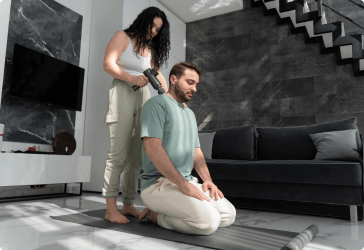
Back to Resources Chiropractic Safe Lifting at Home and Work Read Time 5 Mins Written by: Motion2Move Team Lower back pain is one of the most common causes of discomfort and reduced mobility in daily life. Long hours of sitting, poor posture, limited activity, and everyday strain can all contribute to stiffness and pain in the lower back.Physiotherapy focuses on gentle, targeted movement to improve flexibility, strength, and support around the spine. Below are five commonly recommended physiotherapy exercises that may help relieve lower back discomfort and support better movement over time. When to Seek Professional Support If lower back pain is ongoing, worsening, or affecting daily activities, a tailored assessment can help identify the right approach for your needs. A care professional can guide you with exercises suited to your condition, ability level, and recovery goals. Supporting Your Mobility & Wellness At Priority Plus Care, we support individuals with mobility and wellness programs designed to improve comfort, confidence, and everyday function. Our approach focuses on safe movement, personalized routines, and steady progress. Common Causes of Lower Back Pain Understanding the cause of discomfort helps you choose the right approach to care. Some common contributors include: Prolonged sitting or poor posture Sudden strain from lifting or twisting Low activity levels and muscle weakness Repetitive movements during work Reduced flexibility in hips and legs Should You Do Exercises? Consistency matters more than intensity. Aim for 3–5 times per week Start with short, comfortable sessions Gradually increase repetitions as comfort improves Pair movement with gentle walking or light activity Safety Tips & Precautions To protect your back while exercising: Warm up with light movement first Avoid sudden or jerky motions Maintain relaxed, steady breathing Use support (chair, wall, mat) if needed “Gentle exercise, done regularly, supports better movement and long-term wellbeing.” John Smith
Understanding Disc Bulges

Back to Resources Chiropractic Understanding Disc Bulges Read Time 5 Mins Written by: Motion2Move Team Lower back pain is one of the most common causes of discomfort and reduced mobility in daily life. Long hours of sitting, poor posture, limited activity, and everyday strain can all contribute to stiffness and pain in the lower back.Physiotherapy focuses on gentle, targeted movement to improve flexibility, strength, and support around the spine. Below are five commonly recommended physiotherapy exercises that may help relieve lower back discomfort and support better movement over time. When to Seek Professional Support If lower back pain is ongoing, worsening, or affecting daily activities, a tailored assessment can help identify the right approach for your needs. A care professional can guide you with exercises suited to your condition, ability level, and recovery goals. Supporting Your Mobility & Wellness At Priority Plus Care, we support individuals with mobility and wellness programs designed to improve comfort, confidence, and everyday function. Our approach focuses on safe movement, personalized routines, and steady progress. Common Causes of Lower Back Pain Understanding the cause of discomfort helps you choose the right approach to care. Some common contributors include: Prolonged sitting or poor posture Sudden strain from lifting or twisting Low activity levels and muscle weakness Repetitive movements during work Reduced flexibility in hips and legs Should You Do Exercises? Consistency matters more than intensity. Aim for 3–5 times per week Start with short, comfortable sessions Gradually increase repetitions as comfort improves Pair movement with gentle walking or light activity Safety Tips & Precautions To protect your back while exercising: Warm up with light movement first Avoid sudden or jerky motions Maintain relaxed, steady breathing Use support (chair, wall, mat) if needed “Gentle exercise, done regularly, supports better movement and long-term wellbeing.” John Smith
5 Tips for Tech-Neck

Back to Resources Chiropractic 5 Tips for Tech-Neck Read Time 5 Mins Written by: Motion2Move Team Lower back pain is one of the most common causes of discomfort and reduced mobility in daily life. Long hours of sitting, poor posture, limited activity, and everyday strain can all contribute to stiffness and pain in the lower back.Physiotherapy focuses on gentle, targeted movement to improve flexibility, strength, and support around the spine. Below are five commonly recommended physiotherapy exercises that may help relieve lower back discomfort and support better movement over time. When to Seek Professional Support If lower back pain is ongoing, worsening, or affecting daily activities, a tailored assessment can help identify the right approach for your needs. A care professional can guide you with exercises suited to your condition, ability level, and recovery goals. Supporting Your Mobility & Wellness At Priority Plus Care, we support individuals with mobility and wellness programs designed to improve comfort, confidence, and everyday function. Our approach focuses on safe movement, personalized routines, and steady progress. Common Causes of Lower Back Pain Understanding the cause of discomfort helps you choose the right approach to care. Some common contributors include: Prolonged sitting or poor posture Sudden strain from lifting or twisting Low activity levels and muscle weakness Repetitive movements during work Reduced flexibility in hips and legs Should You Do Exercises? Consistency matters more than intensity. Aim for 3–5 times per week Start with short, comfortable sessions Gradually increase repetitions as comfort improves Pair movement with gentle walking or light activity Safety Tips & Precautions To protect your back while exercising: Warm up with light movement first Avoid sudden or jerky motions Maintain relaxed, steady breathing Use support (chair, wall, mat) if needed “Gentle exercise, done regularly, supports better movement and long-term wellbeing.” John Smith
Top 5 Physiotherapy Exercises The Relieve Lower Back Pain
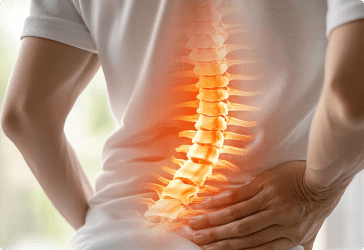
Back to Resources Chiropractic Top 5 Physiotherapy Exercises The Relieve Lower Back Pain Read Time 5 Mins Written by: Motion2Move Team Lower back pain is one of the most common causes of discomfort and reduced mobility in daily life. Long hours of sitting, poor posture, limited activity, and everyday strain can all contribute to stiffness and pain in the lower back.Physiotherapy focuses on gentle, targeted movement to improve flexibility, strength, and support around the spine. Below are five commonly recommended physiotherapy exercises that may help relieve lower back discomfort and support better movement over time. When to Seek Professional Support If lower back pain is ongoing, worsening, or affecting daily activities, a tailored assessment can help identify the right approach for your needs. A care professional can guide you with exercises suited to your condition, ability level, and recovery goals. Supporting Your Mobility & Wellness At Priority Plus Care, we support individuals with mobility and wellness programs designed to improve comfort, confidence, and everyday function. Our approach focuses on safe movement, personalized routines, and steady progress. Common Causes of Lower Back Pain Understanding the cause of discomfort helps you choose the right approach to care. Some common contributors include: Prolonged sitting or poor posture Sudden strain from lifting or twisting Low activity levels and muscle weakness Repetitive movements during work Reduced flexibility in hips and legs Should You Do Exercises? Consistency matters more than intensity. Aim for 3–5 times per week Start with short, comfortable sessions Gradually increase repetitions as comfort improves Pair movement with gentle walking or light activity Safety Tips & Precautions To protect your back while exercising: Warm up with light movement first Avoid sudden or jerky motions Maintain relaxed, steady breathing Use support (chair, wall, mat) if needed “Gentle exercise, done regularly, supports better movement and long-term wellbeing.” John Smith
How Physiotherapy Helps You Recover Of After Your Surgery

Back to Resources Chiropractic How Physiotherapy Helps You Recover Of After Your Surgery Read Time 5 Mins Written by: Motion2Move Team Lower back pain is one of the most common causes of discomfort and reduced mobility in daily life. Long hours of sitting, poor posture, limited activity, and everyday strain can all contribute to stiffness and pain in the lower back.Physiotherapy focuses on gentle, targeted movement to improve flexibility, strength, and support around the spine. Below are five commonly recommended physiotherapy exercises that may help relieve lower back discomfort and support better movement over time. When to Seek Professional Support If lower back pain is ongoing, worsening, or affecting daily activities, a tailored assessment can help identify the right approach for your needs. A care professional can guide you with exercises suited to your condition, ability level, and recovery goals. Supporting Your Mobility & Wellness At Priority Plus Care, we support individuals with mobility and wellness programs designed to improve comfort, confidence, and everyday function. Our approach focuses on safe movement, personalized routines, and steady progress. Common Causes of Lower Back Pain Understanding the cause of discomfort helps you choose the right approach to care. Some common contributors include: Prolonged sitting or poor posture Sudden strain from lifting or twisting Low activity levels and muscle weakness Repetitive movements during work Reduced flexibility in hips and legs Should You Do Exercises? Consistency matters more than intensity. Aim for 3–5 times per week Start with short, comfortable sessions Gradually increase repetitions as comfort improves Pair movement with gentle walking or light activity Safety Tips & Precautions To protect your back while exercising: Warm up with light movement first Avoid sudden or jerky motions Maintain relaxed, steady breathing Use support (chair, wall, mat) if needed “Gentle exercise, done regularly, supports better movement and long-term wellbeing.” John Smith
Physiotherapy For Seniors: Stay Chiropractic Safe Independent

Back to Resources Chiropractic Physiotherapy For Seniors: Stay Chiropractic Safe Independent Read Time 5 Mins Written by: Motion2Move Team Lower back pain is one of the most common causes of discomfort and reduced mobility in daily life. Long hours of sitting, poor posture, limited activity, and everyday strain can all contribute to stiffness and pain in the lower back.Physiotherapy focuses on gentle, targeted movement to improve flexibility, strength, and support around the spine. Below are five commonly recommended physiotherapy exercises that may help relieve lower back discomfort and support better movement over time. When to Seek Professional Support If lower back pain is ongoing, worsening, or affecting daily activities, a tailored assessment can help identify the right approach for your needs. A care professional can guide you with exercises suited to your condition, ability level, and recovery goals. Supporting Your Mobility & Wellness At Priority Plus Care, we support individuals with mobility and wellness programs designed to improve comfort, confidence, and everyday function. Our approach focuses on safe movement, personalized routines, and steady progress. Common Causes of Lower Back Pain Understanding the cause of discomfort helps you choose the right approach to care. Some common contributors include: Prolonged sitting or poor posture Sudden strain from lifting or twisting Low activity levels and muscle weakness Repetitive movements during work Reduced flexibility in hips and legs Should You Do Exercises? Consistency matters more than intensity. Aim for 3–5 times per week Start with short, comfortable sessions Gradually increase repetitions as comfort improves Pair movement with gentle walking or light activity Safety Tips & Precautions To protect your back while exercising: Warm up with light movement first Avoid sudden or jerky motions Maintain relaxed, steady breathing Use support (chair, wall, mat) if needed “Gentle exercise, done regularly, supports better movement and long-term wellbeing.” John Smith